







How Does A Web Designing Course Help In Building Professional Websites?
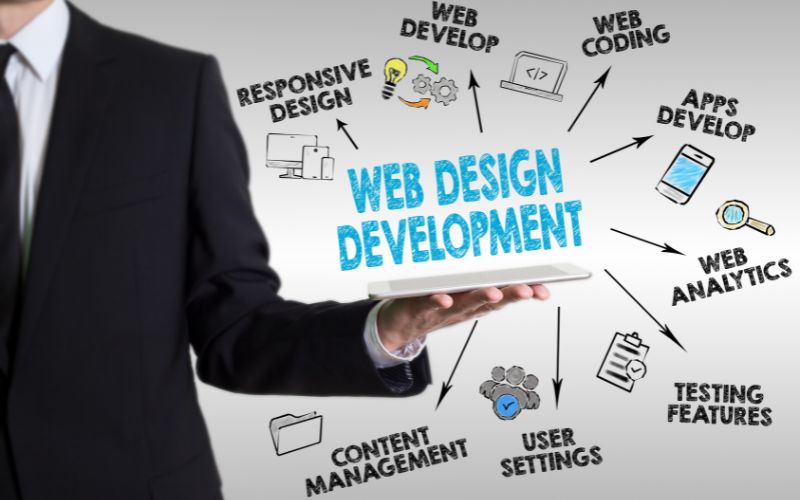
Are you looking to create a website that stands out and performs seamlessly? Do you want to enhance your web design skills to build professional, visually appealing, and functional websites? Having a professional website is crucial for businesses and individuals. But creating a website that is both functional and visually appealing requires more than just basic knowledge. A web designing course can provide the skills and expertise needed to build professional websites.
In this blog, we will look at how enrolling in a web designing course can help.
Understanding the Basics of Web Design
A structured web designing course lays the foundation for building professional websites by teaching core principles.
- Layout Design: Learning how to structure web pages effectively using grids, whitespace, and alignment techniques.
- Typography: Understanding how to use fonts, font sizes, and spacing for better readability.
- Color Theory: Mastering color combinations and contrasts to ensure visual harmony and brand consistency.
- Imagery: Learning how to use images effectively for better user engagement and aesthetic appeal.
If you are residing in Kolkata then you can search for top web designing courses in Kolkata. As in Kolkata there are many top web designing institutes.
Proficiency in Coding Languages
Coding is the backbone of web design, and a course will cover essential programming languages.
- HTML (Hypertext Markup Language): Structuring content on web pages by adding headings, paragraphs, links, and images.
- CSS (Cascading Style Sheets): Customizing the visual presentation by controlling the layout, colors, fonts, and spacing.
- JavaScript: Adding interactivity to websites, such as pop-up windows, sliders, and dynamic content.
- Bootstrap/Frameworks: Utilizing frameworks to simplify coding and achieve faster, responsive designs.
Mastering Responsive Design
With users accessing websites on various devices, responsive design is a must for modern websites.
- Fluid Grids: Learning how to use percentage-based layouts to ensure that web content adjusts smoothly to different screen sizes.
- Flexible Images: Understanding how to make images scale appropriately without losing quality or impacting performance.
- Media Queries: Implementing media queries in CSS to ensure the website looks perfect on all devices, from desktops to mobile phones.
Understanding UX/UI Design
A web designing course provides insight into creating user-friendly and visually appealing websites through UX/UI principles.
UX (User Experience):
- User Journeys: Mapping out user interactions to create intuitive navigation paths.
- Wireframing: Sketching the layout to visualize the structure before the design phase.
- Usability Testing: Testing designs to ensure the site meets the needs and expectations of users
UI (User Interface):
- Interactive Elements: Learning how to design buttons, forms, and menus that enhance user interaction.
- Aesthetic Balance: Balancing typography, color, and layout to create visually appealing websites.
Practical Exposure and Portfolio Development
Web designing courses offer hands-on experience and opportunities to build a professional portfolio.
- Real-Life Projects: Working on actual website designs or prototypes, helping you apply theoretical knowledge.
- Collaboration: Participating in team projects to simulate real-world professional environments.
- Portfolio: Building a strong portfolio showcasing your skills in different areas of web design, from basic layouts to complex, responsive websites.
SEO Optimization
A web designing course teaches basic SEO (Search Engine Optimization) techniques to improve a website’s visibility on search engines.
- Site Structure: Learning how to structure websites in a way that makes them easy for search engines to crawl and index.
- Keyword Optimization: Using appropriate keywords in headings, meta descriptions, and alt text for better ranking.
- Page Load Speed: Optimizing images and reducing HTTP requests to enhance page speed, which is a key factor in search engine ranking.
Incorporating the Latest Trends and Technologies
Staying updated with the latest web design trends and technologies is critical for creating modern, relevant websites.
- Web Animations: Learning to use CSS animations and JavaScript for engaging and dynamic user experiences.
- Parallax Scrolling: Implementing scrolling techniques that create depth and interactivity on a webpage.
- AI-Powered Design Tools: Using artificial intelligence tools to automate repetitive tasks, improve design accuracy, and speed up workflows.
If you are looking for web designing course in Kolkata then definitely go for Moople Institute of Animation and Design. Their courses are designed to meet current industry standards, covering essential topics such as HTML, CSS, JavaScript, UI/UX design, responsive web design, and more. You’ll be learning the skills that employers are actively seeking.
Conclusion
A web designing course equips you with essential skills and hands-on experience to create professional, responsive, and visually appealing websites. From mastering coding languages and responsive design to understanding SEO and user experience, such a course lays the foundation for building successful websites that meet modern industry standards.